| | | | | | | | | | |
- Nominations for the 2026-2027 Council
- Free CME Webinars by FPS Members
- New Background Screening Requirements
- Register now for the Fall CME Meeting
- FMA on Childhood Vaccinations and Immunizations
- ECP Webinar on Understanding Physician Contracts
- RFM Corner
- APA News, APA Free Course of the Month, and more!
| | | | |
|
|
| | | | |
| | | | | | | | | | | FPS has opened the call for nominations to the FPS 2026-2027 Council. Nominate yourself or a colleague for one of the open positions in next year’s election, including president-elect, secretary, and councilor. Make a Nomination | | | | |
|
|
| | | | |
| | | | | | | | | | Two Free CME Webinars by FPS Members | | | | |
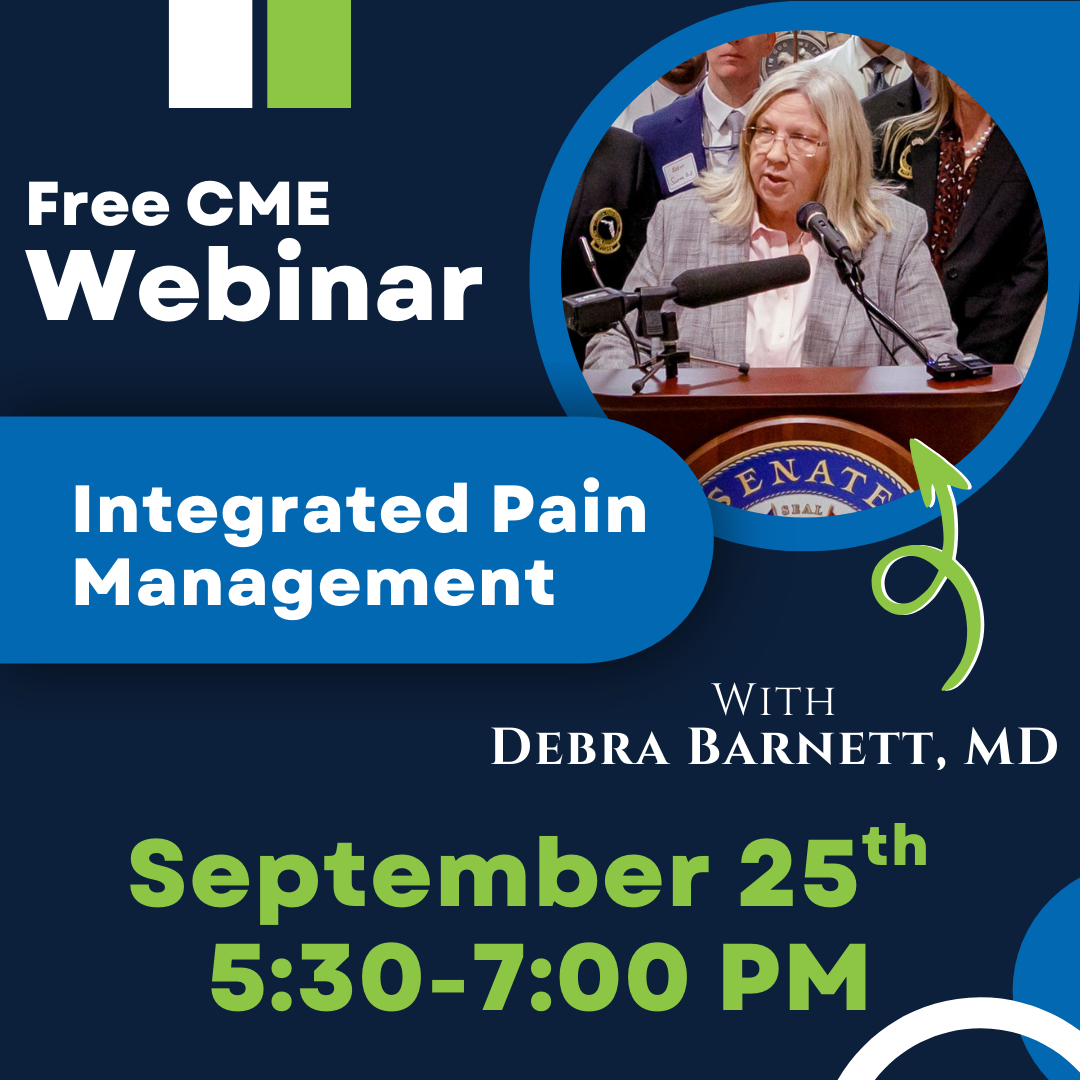
| | | | | | | | | | | Integrated Pain Management Thursday, September 25th at 5:30 PM EST The approach to opioid prescribing has shifted significantly in recent years due to the opioid epidemic. Board-certified psychiatrist Debra Barnett, MD, will lead this presentation designed to ensure that prescribers are using evidence-based clinical practice guidelines to make safer and more effective pain management decisions (1.5 CME). | | | | |
|
|
| | | | |
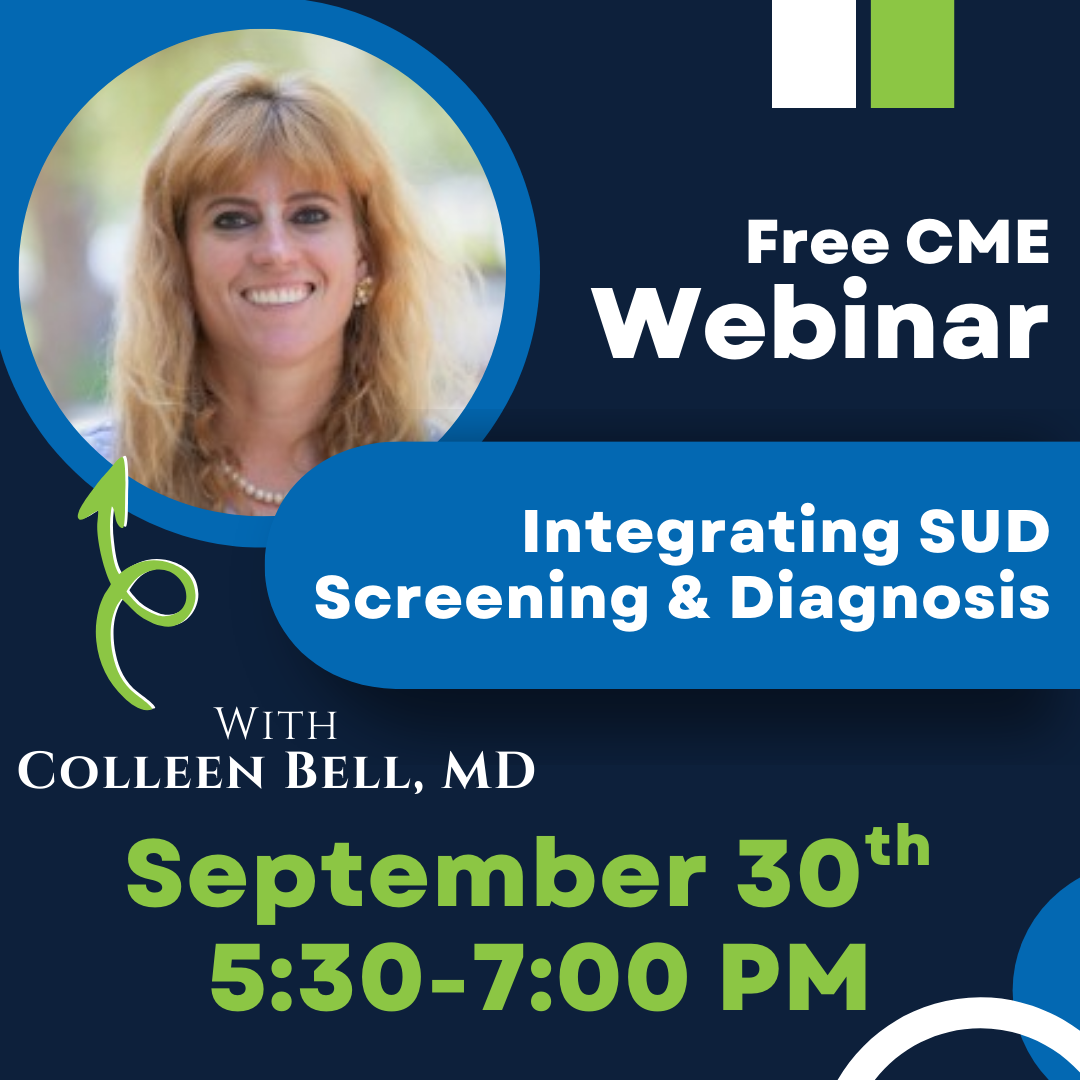
| | | | | | | | | | | Integrating SUD Screening & Diagnosis Tuesday, September 30th at 5:30 PM EST Equip yourself with the information you need to effectively screen and diagnose substance use disorders (SUDs). FPS Vice President, Colleen Bell, MD, president of the Healthcare Division of Sulzbacher Center in Jacksonville, will discuss the latest validated screening tools, risk factors, diagnostic criteria, including DSM-5, and evidence-based treatment approaches for individuals with SUDs (1.5 CME). | | | | |
|
|
| | | | |
|
|
| | | | |
| | | | | | | | | | | New Background Screening Requirements Now Apply to All Physicians Effective July 1, 2025, all all Florida-licensed physicians must complete electronic fingerprinting before their next license renewal under CS/CS/HB 975. The exemption for physicians licensed before January 2013 has been removed. Action Required: Start the fingerprinting process early—especially if your license renews in January—to avoid delays. Failure to complete the required background screening or confirm your existing fingerprints are registered in the Clearinghouse and being retained will prevent you from obtaining or renewing your license. Given the multiple steps and processing time involved, delaying this requirement could lead to licensing delays or expiration. Already Completed Level II Screening?
You may not need to re-fingerprint. Check your status via the Clearinghouse Applicant Initiated (CHAI) Website. Once you have registered with the CHAI system, follow the steps to be sure your existing fingerprints are matched to your account (if you are creating a new account), select ‘Check Renewal Availability’ to determine if you can retain your fingerprints at that time. The window of opportunity to retain fingerprints opens 75 days and closes 15 days prior to the fingerprint retention expiration date. For complete step by step info on fingerprint retention for those who have already completed the screening, visit HERE. For a complete guide on the requirement for those applying for initial licensure, license renewal, FAQ’s and all required links can be found HERE.
Are You an Employer?
These changes also affect previously exempt healthcare staff (e.g., PAs, midwives, dietitians, PTs/OTs, psychologists). See full list in this Cleared to Care Poster (PDF). Additional links and info: | | | | |
|
|
| | | | |
| | | | | | | | | | Spotlight on the Speakers at the FPS Fall CME Meeting | | | | |
| | | | | | | | | | We're thrilled to announce a dynamic and insightful lineup of presenters at the 2025 Florida Psychiatric Society Fall CME Meeting: Making Connections, taking place October 10th–12th at the Hyatt Regency Grand Cypress in Orlando. Their diverse expertise not only reinforces the Meeting's theme of connection but also promises to enrich our collective understanding and inspire meaningful dialogue. To learn more about each speaker’s background, areas of expertise, and session topics visit our Meet the Speakers page. | | | | |
|
|
| | | | |
| | | | | | | If you are attending our Fall Meeting, please join us on Thursday night for a special rum tasting hosted by Debra Barnett, MD. Buy your tickets HERE. | | | | |
| |
|
| | | | |
| | | | | | Florida Medical Association on Childhood Vaccinations and Immunizations | | | | |
| | | | | | | | | On Thursday, Sept. 4, 2025, the Florida Medical Association made a statement on Childhood Vaccinations and Immunizations Tallahassee, Fla. – On behalf of our 23,000 members, the Florida Medical Association unequivocally supports the vaccination and immunization of school-aged children against diseases that decades ago proved life-threatening to our kids. The FMA advocates for physicians and their patients to promote the public health, ensure the highest standards of medical practice, and to enhance the quality and availability of health care in the Sunshine State. This includes the safe and effective administration of vaccines and immunizations based on years of research and efficacy. | | | | |
|
| |
| | | | |
| | | | | | | | | | | | | | | | Upcoming Webinar: Understanding Physician Contracts Join us on Monday, October 27th at 5:00 PM EST for a special webinar led by Michael Johnson, JD, designed for Early Career Psychiatrists and Residents/Fellows. Learn how to evaluate contracts using The Trinity—Compensation, Work Obligations, and Exit Strategy—and gain insight into psychiatry-specific issues such as non-competes, $/wRVU benchmarks, and career pathways across academic, hospital-employed, and private practice settings. (1.0 CME) Registration & additional details coming soon. | | | | |
|
|
| | | | |
|
|
| | | | |
| | | | | | | | | | | A Trust Crisis: The Mental Health Implications of AI's Erosion of Reality
| | | | |
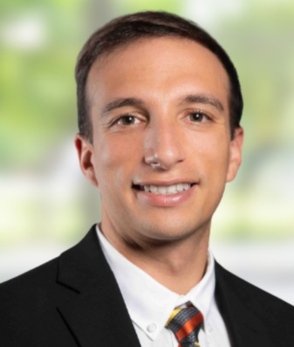
| | | | | | | | | | Julian Khaymovich, DO
Broward Health | | | | |
| | | | | Trust has long been the cornerstone of a functioning society, and a healthy mind. When individuals trust their communities, institutions, and relationships, they are more likely to feel secure, valued, and supported.1 This sense of security plays a crucial role in mental well-being, reducing anxiety and promoting resilience. Lack of trust, naturally, results in a plethora of issues on every level. This can lead to feelings of isolation, chronic stress, and vulnerability, in addition to reducing levels of social capital.2 Over time, this erosion of trust can significantly impact mental health, contributing to depression, anxiety disorders, and even increased risk of substance abuse, as individuals struggle to navigate a world that feels unpredictable and unsafe.3 For most of history, what we see is what we believe. Magicians have tricked and captivated audiences, achieving what seemed to be impossible. However, the goal was not to trick, but to entertain. Likewise, motion pictures have entertained audiences for much of the past century, attempting to emulate both the natural and supernatural across screens and platforms. Humans, for the most part, have been able to decipher reality from illusion. In the rapidly evolving digital age, artificial intelligence (AI) has emerged as a transformative force, revolutionizing industries, enhancing productivity, and reshaping the way societies function. However, alongside these advancements lies a profound and growing concern: the erosion of trust. The proliferation of AI-generated content, such as deepfakes and synthetic media, blurs the line between truth and fabrication. As AI becomes capable of creating hyper-realistic images, videos, and voices, it challenges society’s ability to discern reality from manipulation. As AI systems become increasingly embedded in media, the potential for misuse, bias, and lack of transparency threatens to undermine confidence, and fragment the trust upon which societies and relationships are built upon. For example, fake speeches, doctored videos, and overall false information can incite violence, impact relationships, or discredit legitimate information. As people grow more skeptical of the authenticity of what they see and hear, trust in media, public discourse, and even personal relationships can degrade.4 | | | | |
| | | | | 1. Hancock PA, Kessler TT, Kaplan AD, Stowers K, Brill JC, Billings DR, Schaefer KE, Szalma JL. How and why humans trust: A meta-analysis and elaborated model. Front Psychol. 2023 Mar 27;14:1081086. doi: 10.3389/fpsyg.2023.1081086. PMID: 37051611; PMCID: PMC10083508. 2. Jana Lieberz, Simone G. Shamay‐Tsoory, Nira Saporta, Timo Esser, Ekaterina Kuskova, Birgit Stoffel‐Wagner, René Hurlemann, Dirk Scheele. Loneliness and the Social Brain: How Perceived Social Isolation Impairs Human Interactions. Advanced Science, 2021; 2102076 DOI: 10.1002/advs.202102076 | | | | |
|
| | | | | Already, there are numerous videos on social media platforms, such as TikTok and Instagram, that appear hyperrealistic, but are entirely false. Due to the algorithmic nature of such platforms, once there is engagement with such a video, more content with similar false realities will appear, trapping the individual in an alternative reality. At the time of this publication, it is still possible to determine whether a video is fabricated by looking carefully. However, this differentiation will likely soon disappear. Exacerbating the issue, most platforms encourage but do not require the labeling of AI media content. It is likely that older adults and the intellectually disabled will be the first ones to fall victim to the deceiving nature of this quickly evolving media, which may sometimes be used for malicious purposes. An example of this can be seen by a recent patient encounter in the psychiatric emergency room. A 70 year female with no previous psychiatric history presented to the emergency room involuntarily after mentioning to her primary care doctor that she was interacting with and sending money to a well known celebrity actor for the past several months. The primary care physician, naturally, believed she was delusional and sent her for a psychiatric evaluation. Upon careful examining, it was uncovered that a scammer had been targeting the patient via realistic, interactive AI technology. The scammer had been sending her AI videos and phone calls, disguising himself as the celebrity. Indeed, the patient reached for her phone and showed the videos; the scammer had already made a video targeted towards the psychiatrist. “Please discharge her, she doesn’t need to be at the hospital,” pleaded the “celebrity.” Although this example may seem frivolous, this situation will likely begin to appear more often as technologies become more capable of deception. As humans become more cognizant of the possibilities of AI, chronic distrust can develop. Chronic distrust can manifest as paranoia, where individuals begin to suspect others of malicious intent without clear evidence. These thought patterns can spiral into delusional thinking. A lack of trust can also create a constant state of vigilance and hyperawareness. Individuals who feel unsafe or unsupported may develop chronic anxiety, fearing betrayal, exploitation, or harm. This stress response can trigger the body’s fight-or-flight mechanism, leading to heightened cortisol levels and disrupted sleep patterns. In addition, mistrust can lead to emotional withdrawal and a sense of loneliness, which can further predispose individuals to developing depression. Furthermore, living in a state of constant mistrust can also lead to cognitive overload, where the individual must constantly assess and reassess the reliability of the people and systems around them. This mental strain can result in decision fatigue, where the individual struggles to make choices due to overwhelming uncertainty and fear of making the wrong decision. As a coping mechanism for the emotional distress caused by distrust, some individuals may turn to substances. As AI becomes further integrated into society, psychiatrists must remain vigilant and understanding of its immense impact on their patients’ mental health. While there are numerous aspects of the technology to be hopeful about, the dangers are still yet to be seen. We must encourage oversight, whether governmental or individual, to ensure AI media is labeled and regulated as such, to maintain the trust that has been built. Once this trust is lost, it will likely be difficult to regain. | | | | |
| | | | | 3. Kirkbride JB, Anglin DM, Colman I, Dykxhoorn J, Jones PB, Patalay P, Pitman A, Soneson E, Steare T, Wright T, Griffiths SL. The social determinants of mental health and disorder: evidence, prevention and recommendations. World Psychiatry. 2024 Feb;23(1):58-90. doi: 10.1002/wps.21160. PMID: 38214615; PMCID: PMC10786006. 4. Dunn JR, Schweitzer ME. Feeling and believing: the influence of emotion on trust. J Pers Soc Psychol. 2005 May;88(5):736-48. doi: 10.1037/0022-3514.88.5.736. PMID: 15898872. 5. Möller, A., & Bögels, S. M. (2016). "Anxiety, Stress, and Mistrust: The Role of Distrust in the Development of Anxiety Disorders". Journal of Anxiety Disorders, 42, 1-10. | | | | |
|
|
| | | | |
| | | | | | FPS is excited to support the next generation of psychiatrists through the new RFM Corner—a dedicated space in our monthly e-Connect newsletter for RFMs to share their insights and experiences. If you are interested in submitting a 300-1,000 word article for an upcoming newsletter, click HERE. | | | | |
|
|
| | | | |
| | | | | | | | | | | | | | | Dr. George Aristotle Michas
July 21, 1939 – August 14, 2025 Dr. George Aristotle Michas, of Fort Walton Beach, FL, passed away on August 14, 2025, at the age of 86. Born July 21, 1939, in Chicago, Illinois, he dedicated his life to advancing psychiatric care, both locally and nationally. His legacy includes founding Michas, Valentine & Gill Psychiatric Associates — the first outpatient psychiatric clinic and multidisciplinary mental health practice in Okaloosa County. He helped establish the first inpatient psychiatric facility in the county in the 1970s and played a critical role in developing community mental health services for underserved populations through the Okaloosa Guidance Center (now Bridgeway Center). For decades, Dr. Michas served as Medical Director of the Psychiatric Treatment Center at Fort Walton Beach Medical Center, a 48‑bed inpatient unit, where he established electroconvulsive therapy (ECT) services that continue to benefit the local community. He served as president of both the Florida Psychiatric Society and the Southern Psychiatric Society and was recognized as a Distinguished Life Fellow of the American Psychiatric Association. May his contributions continue to inspire, and may his memory be a blessing. | | | | |
|
| | | | | Dr. Richard Mark “Dick” Steinbook
April 16, 1940 – September 12, 2025 Dr. Richard Mark Steinbook, a longtime educator and mentor in Florida’s psychiatric community, passed away on September 12, 2025, at the age of 85. A proud alumnus of the University of Florida for both his undergraduate and medical degrees, Dr. Steinbook completed his internship at Jackson Memorial Hospital and continued his psychiatric training at The Johns Hopkins Hospital — one of the nation’s most esteemed programs. He later returned to Florida, joining the faculty at the University of Miami and Jackson Memorial Hospital, where he served for many years as residency training director. In this role, Dr. Steinbook guided and shaped generations of psychiatrists, offering both rigorous academic mentorship and deeply personal support. To many, including FPS members, he was a trusted advisor, role model, and a consistent, thoughtful presence at Grand Rounds — someone whose commitment to clinical excellence and medical education never wavered. Dr. Steinbook leaves behind a legacy of teaching, compassion, and enduring influence. He will be remembered with deep respect and affection by all who had the privilege of knowing him. | | | | |
|
|
| | | | |
|
|
| | | | |
| | | | | | | Updates from the Psychiatric Community - APA Course of the Month - September's course is entitled: The Future of Suicide Prevention. This course is free for members and offers 1.5 CME. CLICK HERE to access the course.
- APA's Medical Mind Podcast is a new limited podcast series that delves into the alarming research on youth suicide. Each episode features a a host drawn from the APA membership and an expert guest. Find it on Apple and Spotify.
- Attention Resident-Fellow Members - become an APA Foundation Ambassador and help raise awareness of the Foundation’s impact. The first 600 applicants who meet the program requirements will receive free registration and up to three free nights of lodging at the APA 2026 Annual Meeting in San Francisco. Learn more and apply
- The newly established APA Resident-Fellow Member (RFM) Caucus, is quickly gaining momentum, welcoming 131 new members and reaching a total of 501 participants as of August 1. All RFMs are encouraged to join and help grow this community. Join by logging into your APA profile and navigate to "APA Caucuses" on the left-hand navigation bar.
| | | | |
| | | | |
|